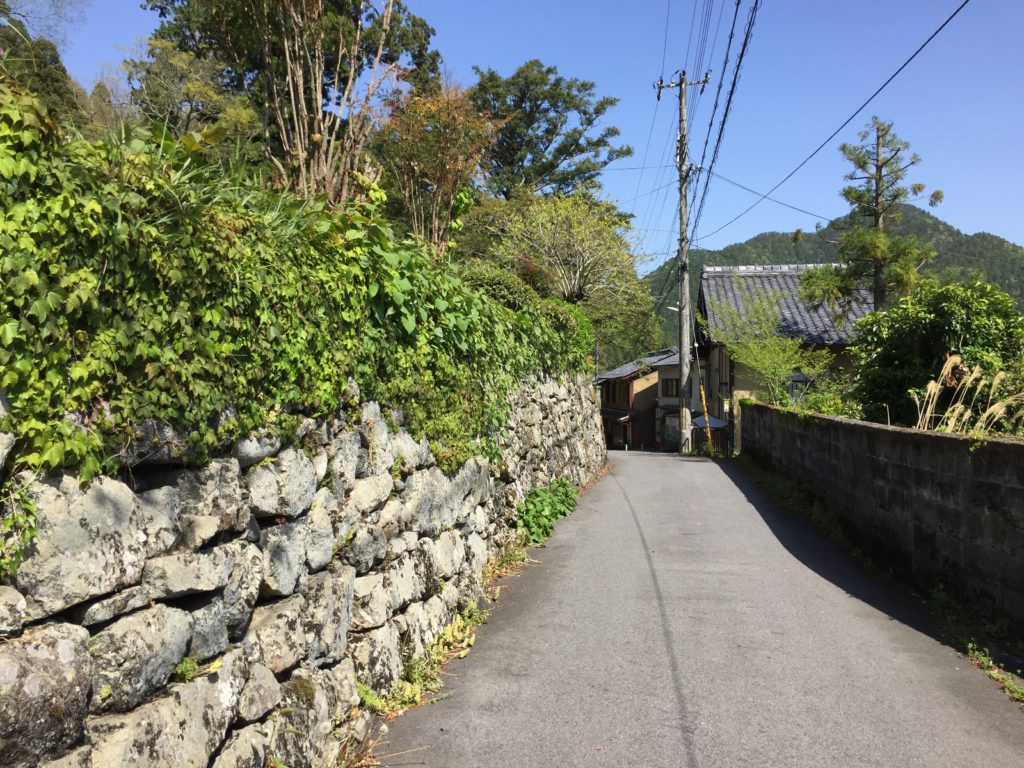
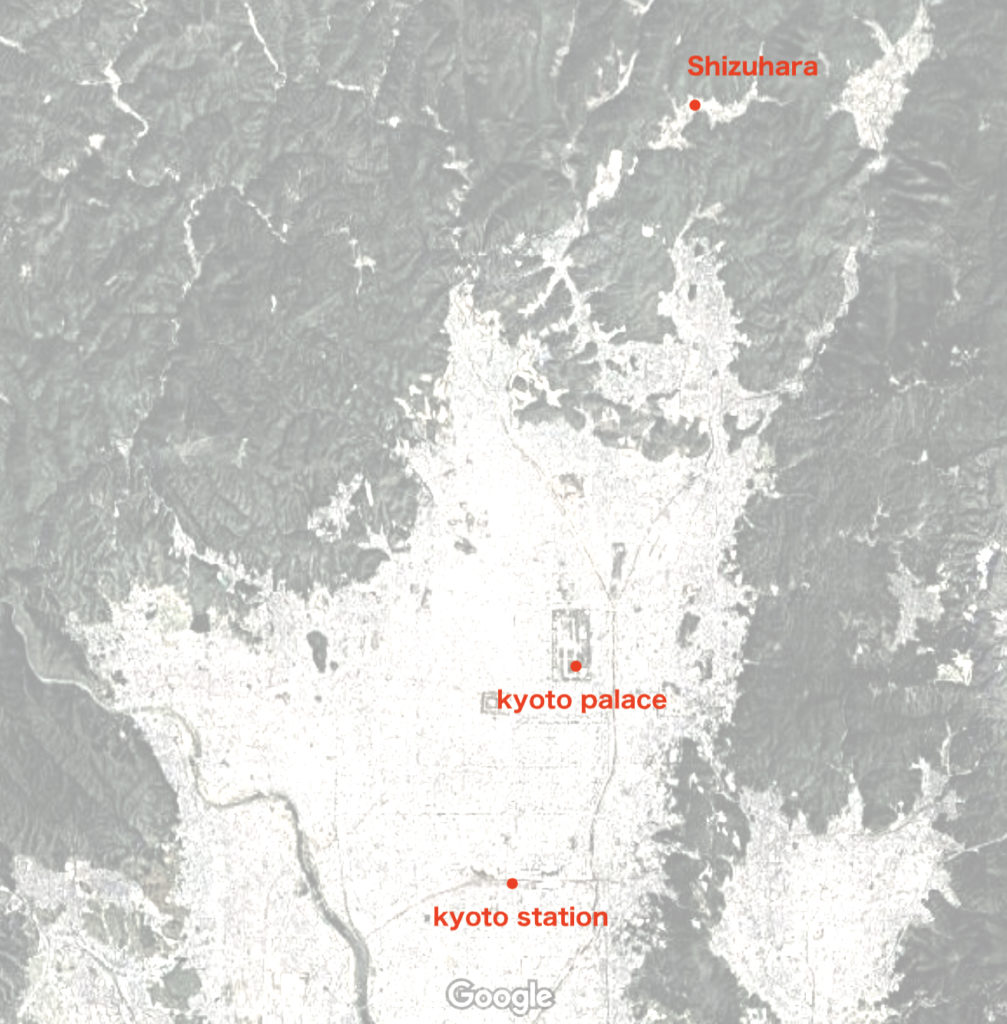
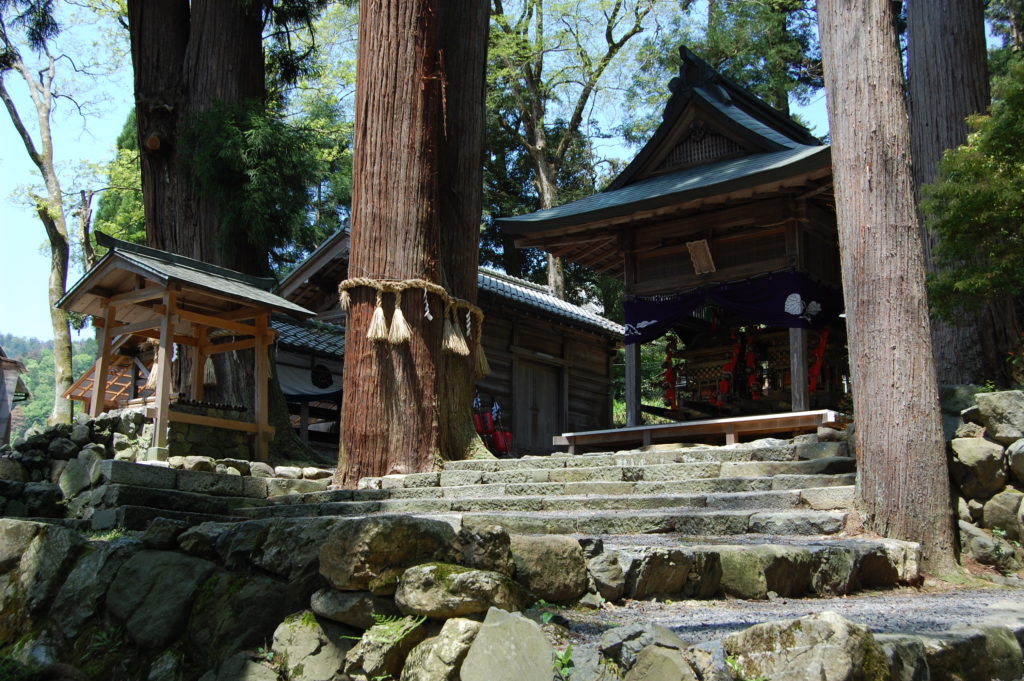
京都市左京区北部に位置する静原は、人口約400人の山間集落であり、洛北の自然豊かな地に古くから人々が暮らしてきました。その歴史は古代にまで遡り、静原神社の社伝によれば成務天皇十二年(2世紀初頭)に静原神社が創建されたと伝えられています。
Shizuhara, located in the northern part of Sakyo Ward, Kyoto City, is a mountain village with a population of about 400. People have lived here for centuries, surrounded by the rich natural environment. Its history dates back to ancient times; according to shrine tradition, Shizuhara Shrine was founded in the early 2nd century.
静原は古代から賀茂社(上賀茂神社)との関係が深く、平安時代以来その社領に属していました。江戸時代の地誌にも、静原村が上賀茂神社の神領であり、毎年葵祭に葵を献上していたことが記されています。その後、静原神社は下鴨神社の末社となり、氏子は「静原沙汰人」として御蔭祭に奉仕する伝統が現代まで続いています。
Shizuhara has maintained a close relationship with the Kamigamo Shrine since ancient times, and from the Heian period onward, it belonged to the shrine’s estate. Historical records from the Edo period also note that Shizuhara Village was under the jurisdiction of Kamigamo Shrine and that every year, aoi (hollyhock) was offered for the Aoi Festival.
平安時代中期には、山岳寺院・補陀落寺(ふだらくじ)が創建され、静原の東方山中にその遺跡が残っています。補陀落寺跡からは平安時代の土器や瓦が発見され、当時の宗教活動や山岳信仰の痕跡がうかがえます。また、静原は平安京と周囲の集落をつなぐ交通の要衝でもあり、僧侶や里人の往来が盛んでした。中世には、静原城が築かれ、戦国時代には周辺の勢力争いの舞台となりました。静原城は岩倉の小倉山城主・山本氏の支城とされ、天正元年(1573)には織田信長の軍勢による攻防も伝えられています。
In the mid-Heian period, the mountain temple Fudaraku-ji was established, and its ruins remain in the eastern mountains of Shizuhara. Earthenware and roof tiles from the Heian period have been discovered at the Fudaraku-ji site, providing evidence of religious activities and mountain worship at that time. Shizuhara also served as a key transportation hub connecting Kurama and Ohara, and there was frequent movement of monks and villagers through the area. In the medieval period, Shizuhara Castle was constructed, and during the Sengoku period, the area became a battleground for local powers.
江戸時代以降、静原の人々は主に農業や柴・薪の生産を生業とし、昭和初期には女性たちが京都市内へ柴や薪を運ぶ姿も見られました。また、静原には元服の儀式「烏帽子儀(えぼしぎ)」など、独自の伝統文化が今も受け継がれています。
From the Edo period onward, the people of Shizuhara primarily made their living through agriculture and the production of firewood and brushwood. In the early Showa era, it was common to see women transporting firewood and brushwood into Kyoto City for sale. Shizuhara also preserves unique traditional culture, such as the coming-of-age ceremony known as the “Eboshi-gi” (Eboshi Ceremony), which continues to be passed down to this day.
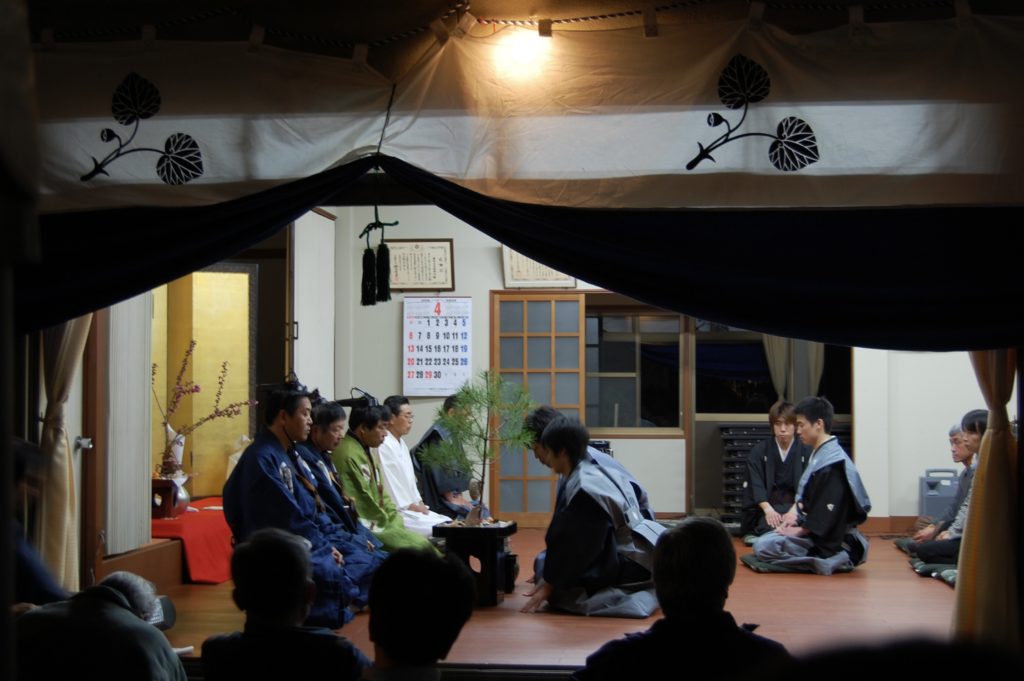
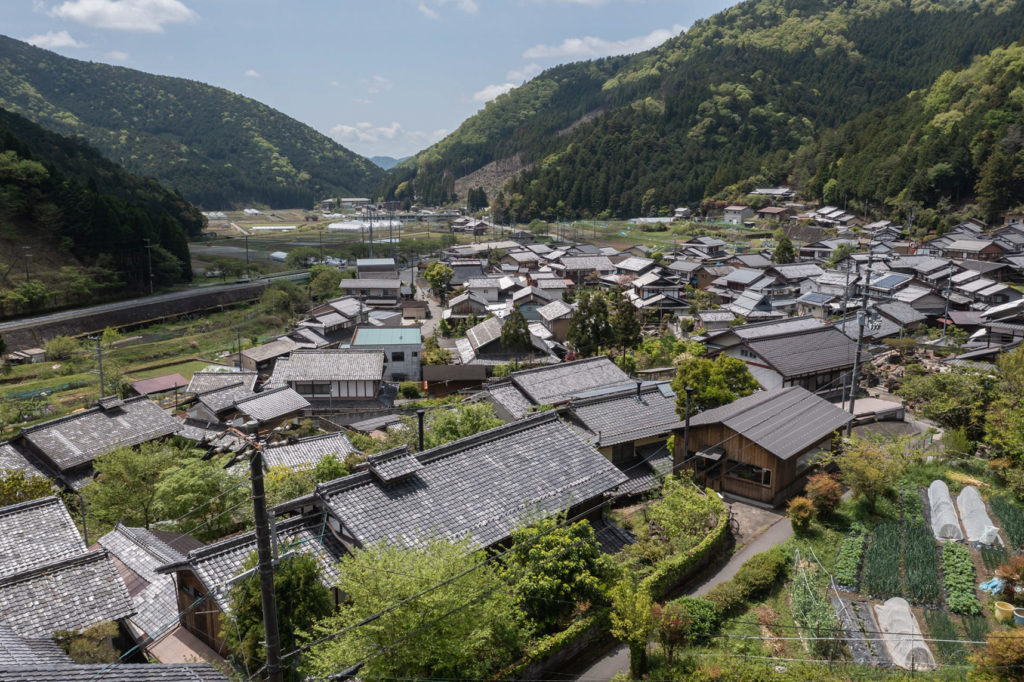
現代の静原は、全国の山間部と同様に高齢化や人口減少の課題を抱えつつも、自然と歴史文化の調和した静かな山里として、住民による地域活動や伝統行事が息づいています。観光地化されていないため、昔ながらの農村風景や四季折々の自然が守られ、京都郊外の隠れた歴史的集落として静かな存在感を放っています。
Nowadays, Shizuhara faces challenges such as an aging population and population decline, much like other mountainous regions across Japan. Nevertheless, it remains a quiet mountain village where the harmony of nature and historical culture is preserved, and where local community activities and traditional events are actively maintained by residents.